
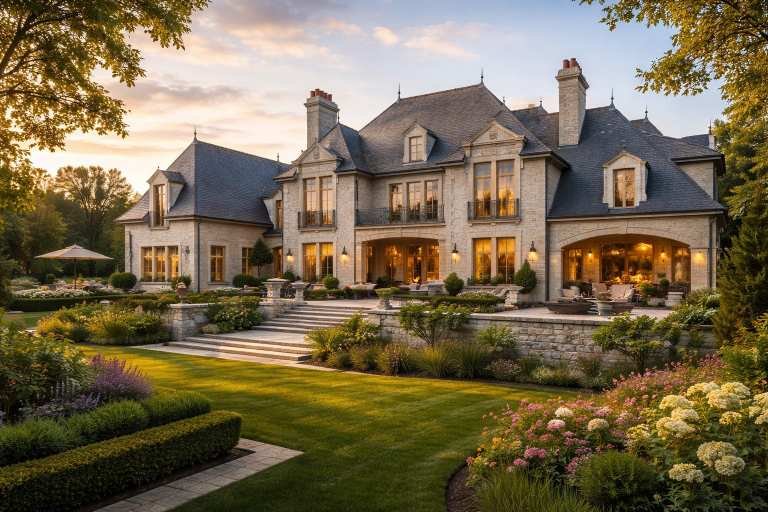
Choosing a home style is one of the most personal decisions in the entire building process. Your home’s architecture sets the tone for everything, from the roof pitch to the front door detail to how the rooms feel from the inside. And with so many options out there, it can get overwhelming fast.
This guide covers the most popular residential architectural styles so you can walk into conversations with builders and architects knowing exactly what you want and why.
Why Architectural Style Matters
Before jumping into specific styles, it’s worth understanding why this decision carries so much weight.
Your home’s architecture affects resale value, neighborhood compatibility, construction cost, and how well the design ages over time. A well-chosen style that suits both the site and your lifestyle will feel right for decades. A style chosen purely on trend can feel dated in just a few years.
Home architectural styles also shape what’s possible inside. A ranch-style home has very different interior possibilities than a French chateau-inspired estate. Getting clear on the exterior style early helps every other design decision fall into place.
A Brief Look at How Residential Architecture Evolved
Types of residential architecture have developed over centuries, shaped by geography, culture, climate, and available materials. Early American homes borrowed heavily from European traditions. Over time, regional influences, industrial innovation, and cultural shifts gave rise to entirely new styles.
Today, homeowners have access to the full history of architecture as inspiration. Whether you want something rooted in centuries-old craftsmanship or something sharp and contemporary, there’s a house design style to match.
Classical Residential Architecture
Classical residential architecture draws from ancient Greek and Roman design principles. Symmetry, proportion, and order are its defining qualities. These aren’t just aesthetic choices. They reflect a philosophy that good design follows natural mathematical relationships.
Classical home design typically features:
- Symmetrical facades with evenly spaced windows
- Columns or pilasters at the entrance
- Pediments above doorways and windows
- Cornice detailing along rooflines
- Formal, balanced floor plans
Traditional classical architecture thrives in the American South, in formal East Coast estates, and in high-end custom builds across the country. When done well, it communicates permanence and craftsmanship in a way few other styles can match.
Neoclassical residential homes represent a modern take on this tradition. They keep the core principles of classical design while adapting them to contemporary living. You’ll see cleaner lines, fewer ornamental details, and interiors that work with open-plan living. The result is a home that feels both timeless and livable.
Classic residential architecture of this type tends to hold its value exceptionally well. Buyers consistently respond to the sense of quality and stability it conveys. If you’re building a luxury home with long-term investment value in mind, neoclassical and classical styles are worth serious consideration.
French Residential Architecture
French residential architecture is one of the most admired styles in the world. It blends elegance with warmth in a way that’s hard to replicate. French homes feel grand without being cold, and they age beautifully.
French-inspired home design pulls from several distinct regional traditions within France itself. Parisian townhouses, Provençal farmhouses, Loire Valley chateaux, and Normandy cottages each have their own character. In American residential design, these influences get blended into a few signature styles.
French Country
French country homes are relaxed and warm. They typically feature:
- Stucco or stone exteriors
- Arched doorways and windows
- Rustic wood beams
- Terra cotta or stone flooring
- Asymmetrical, organic layouts
This style works beautifully in rural or suburban settings. It’s one of the most popular choices among homeowners who want character without formality.
French Villa Style Homes
French villa style homes are more refined than French country but less imposing than a full chateau. They tend to feature smooth stucco facades, hip roofs, decorative ironwork, and French doors opening to terraces and gardens. The emphasis is on indoor-outdoor living and graceful proportion.
French Chateau Residential Design
French chateau residential design sits at the top of the scale. These are large, formal homes that draw directly from the grand estates of the Loire Valley. Steep slate roofs, round towers, dormer windows, and cut stone facades are the hallmarks. This style demands a large lot and a significant budget, but the result is genuinely extraordinary.
Key Features of French Residential Homes
French residential architecture across all its variations tends to share a few consistent traits:
- Tall, narrow windows with divided panes
- Mansard or steeply pitched hip roofs
- Decorative ironwork on balconies and gates
- Natural materials, especially stone and stucco
- Strong connection to outdoor garden spaces
- Symmetrical or near-symmetrical facades
If you’re drawn to this aesthetic, working with Luxury construction Firms who have direct experience with French-inspired design will make a significant difference in the quality of the outcome.
Traditional Residential Architecture
Traditional residential architecture is the broadest category in American home design. It encompasses a wide range of styles that share a common thread: familiarity, comfort, and craftsmanship rooted in historical precedent.
Conventional home styles in this category include Colonial, Cape Cod, Tudor, Craftsman, Georgian, and Federal designs. Each has its own regional flavor, but all prioritize quality materials, detailed millwork, and a sense of warmth.
Colonial
Colonial homes are among the most recognized traditional house designs in America. They feature symmetrical facades, central entry doors, multi-pane double-hung windows, and simple, pitched rooflines. Interior layouts are typically formal, with rooms arranged on either side of a central hall.
Cape Cod
The Cape Cod is a simplified colonial with steep roofs, central chimneys, and dormer windows. Originally designed for the harsh New England climate, it’s become popular across the country for its cozy, approachable character.
Tudor
Tudor homes borrow from English medieval architecture. They’re recognizable by their steeply pitched roofs, decorative half-timbering on the exterior, and tall, narrow windows. They tend to have a storybook quality that makes them stand out in any neighborhood.
Craftsman
Craftsman homes emerged in the early 20th century as a reaction against industrial mass production. They celebrate natural materials, exposed structural details, and handcrafted quality. Wide front porches, tapered columns, low-pitched roofs with deep overhangs, and built-in cabinetry are all signature elements.
Georgian
Georgian architecture represents traditional classical architecture at its most refined in the American context. Symmetry, brick facades, decorative cornices, and formal five-bay floor plans define this style. It’s particularly associated with the Mid-Atlantic states and remains a popular choice for custom homes today.
Modern and Traditional Home Styles: How They Compare
Understanding the difference between modern and traditional home styles helps you figure out where your preferences really land.
Traditional residential architecture prioritizes:
- Historical design precedents
- Ornamental details and craftsmanship
- Warm, natural materials
- Formal or compartmentalized floor plans
- Familiar, recognizable forms
Modern architecture prioritizes:
- Clean lines and minimal ornamentation
- Open floor plans with free-flowing spaces
- Industrial and engineered materials
- Large expanses of glass
- Integration with the natural environment
Neither is better. They serve different personalities and different sites. Some of the most compelling homes today blend elements of both, creating designs that feel grounded in tradition while functioning for contemporary life.
Heritage-Style Homes
Heritage-style homes occupy a special place in the residential architecture conversation. These designs draw explicitly from historic architectural traditions with a high degree of accuracy, often using period-appropriate materials and construction techniques.
Heritage homes are found most often in historic districts or on properties where the surrounding context calls for authentic period design. They require architects and builders with deep knowledge of historical construction methods. The result is a home that feels genuinely connected to its architectural heritage rather than simply imitating it.
Architectural Home Design Types: A Quick Reference
Here’s a concise overview of architectural home design types and their primary characteristics:
| Style | Origin | Key Features |
|---|---|---|
| Classical / Neoclassical | Ancient Greece & Rome | Columns, symmetry, pediments, formal proportion |
| French Country | Rural France | Stone or stucco, arched openings, rustic details |
| French Chateau | Loire Valley, France | Steep roofs, towers, cut stone, formal grandeur |
| Colonial | British Colonial America | Symmetrical, central entry, multi-pane windows |
| Tudor | Medieval England | Half-timbering, steeply pitched roofs, tall chimneys |
| Craftsman | American Arts & Crafts | Natural materials, wide porches, exposed structure |
| Georgian | 18th Century Britain/America | Brick, five-bay symmetry, classical detailing |
| Modern / Contemporary | 20th Century International | Clean lines, open plans, large glass, minimal trim |
| Cape Cod | Colonial New England | Steep roof, central chimney, dormers |
| Mediterranean | Southern Europe | Red tile roofs, stucco, arched openings, courtyards |
Which Style Works Best for Luxury Homes?
When it comes to residential architectural styles for luxury homes, there’s no single correct answer. But some styles consistently deliver the sense of quality and permanence that luxury buyers and builders seek.
Classical residential architecture and French residential architecture are consistently the top choices for high-end custom builds. Both have deep historical roots, demand skilled craftsmanship, use premium materials, and tend to hold their value over time.
Traditional residential architecture in the Georgian and Federal traditions also performs well at the luxury level. Craftsman-style luxury homes have gained significant popularity, particularly in the Pacific Northwest and mountain West markets.
Modern and contemporary styles dominate in certain coastal and urban luxury markets, but they tend to be more polarizing. They perform brilliantly when the site and surrounding context support them.
If you’re building a luxury home and haven’t finalized your style, detailed architectural drafting can help you visualize options before committing. Working with a firm that offers Architectural drafting services allows you to see your ideas developed in real detail before construction begins.
How Residential Architectural Styles Vary by Region
How traditional residential architecture differs across regions is an important factor to understand, especially if you’re building in a specific market.
The South: Greek Revival, Colonial Revival, and Antebellum plantation styles dominate. Formal classical design has deep roots here and remains popular in new luxury construction.
New England: Cape Cod, Shingle Style, Federal, and Colonial are the regional vernacular. Stone walls, clapboard siding, and steeply pitched roofs are well-suited to the climate.
The Mountain West: Craftsman, lodge-style, and rustic mountain designs are popular. Timber framing, natural stone, and metal roofing connect homes to their dramatic surroundings.
The Southwest: Spanish Colonial, Adobe, and Pueblo Revival styles reflect the region’s history and climate. Stucco exteriors, flat or low-pitched roofs, and shaded courtyards are practical and beautiful.
The Pacific Northwest: Craftsman and contemporary modern styles thrive here. Large windows to capture natural light, natural wood siding, and deep overhangs for rain protection are common features.
The Midwest: Traditional Colonial and Ranch styles are common, with an increasing interest in Craftsman and Prairie-style designs inspired by Frank Lloyd Wright’s regional legacy.
How to Choose the Right Style for Your Home
Choosing among all these residential architectural styles comes down to a few core questions:
What does the site call for? A home on a wooded mountain lot calls for something different than a home on a formal suburban street. Let the land guide you.
What’s the neighborhood context? A home that’s completely out of step with its surroundings can hurt resale value and feel uncomfortable to live in over time.
What’s your lifestyle? Open floor plans suit some people. Formal, room-by-room traditional layouts suit others. The exterior style should reflect how you actually live.
What’s your budget? Highly ornamental styles like French chateau or classical require more skilled labor and more expensive materials. Be honest about what you can spend before falling in love with a style that’s out of reach.
How do you feel about maintenance? Wood shingles, painted trim, and natural stone all require ongoing care. Some people love that. Others want something lower-maintenance.
Can Classical Architecture Be Combined With Modern Design?
Yes, and it’s one of the most interesting conversations in residential architecture right now. Classical residential architecture principles, particularly proportion, symmetry, and the relationship between solid and void, translate extremely well into contemporary buildings.
Architects call this approach “new classical” or “traditional modern.” The goal isn’t to copy historical buildings but to apply their underlying logic to new programs and materials. The result can be a home that feels rooted and refined without being a period reproduction.
This approach works best when the classical elements are structural and spatial rather than purely decorative. Columns that actually support something, cornices that relate to the scale of the building, and windows that are sized by proportion rather than convention all signal that the design has real integrity.
What to Consider Before Hiring a Residential Architect
Before you hire anyone, get clarity on these points:
- Portfolio alignment: Does the architect’s existing work reflect the style you want? A firm that specializes in modern minimalism may not be the right fit for a French chateau commission.
- Local knowledge: Building codes, climate considerations, and regional material availability all vary. An architect who knows your market will produce a more buildable design.
- Design process: How involved will you be? Some architects prefer to lead and present a finished concept. Others work collaboratively through every decision. Know which you prefer before signing anything.
- Budget transparency: Good architects help you build within your budget, not despite it. Ask directly how they handle situations where design intent exceeds the available budget.
- References and reputation: Talk to past clients. Ask about communication, responsiveness, and how problems were handled when they came up.
Frequently Asked Questions
What are the most popular residential architectural styles?
The most popular residential architectural styles in the U.S. include Colonial, Craftsman, Ranch, Cape Cod, Tudor, French Country, and Contemporary Modern. At the luxury end, classical, neoclassical, French chateau, and Georgian styles are consistently popular choices.
What is classical residential architecture?
Classical residential architecture is a design tradition rooted in ancient Greek and Roman principles. It’s defined by symmetry, proportion, columnar details, pediments, and formal composition. Neoclassical homes apply these principles to modern floor plans while maintaining the visual language of the classical tradition.
How do you define French residential architecture?
French residential architecture refers to home designs inspired by the architectural traditions of France, including French country, French provincial, French villa, and French chateau styles. These designs typically feature steep or mansard roofs, tall narrow windows, natural stone or stucco exteriors, and refined detailing that balances elegance with warmth.
What is the difference between traditional and modern residential architecture?
Traditional residential architecture draws from historical design precedents and emphasizes craftsmanship, ornamental detail, and familiar forms. Modern architecture prioritizes clean lines, open plans, and minimal ornamentation. Traditional styles tend to feel warm and grounded. Modern styles feel open and light-filled. Many contemporary luxury homes blend elements of both.
Which residential architectural style is best for luxury homes?
Classical, neoclassical, French, and Georgian styles consistently perform best in the luxury market. They signal quality and permanence, use premium materials naturally, and tend to hold resale value well. Craftsman and contemporary modern styles are also strong choices depending on the region and buyer profile.
How do I choose a style for my new home?
Start with the site and your lifestyle. Let the land and neighborhood context guide your broad direction, then refine based on your aesthetic preferences, budget, and how you actually want to live in the home. Working through options with an experienced architect before committing to a direction is always worth the investment.
Can classical architecture be combined with modern design?
Yes. The underlying principles of classical residential architecture, including proportion, symmetry, and the relationship between structure and ornament, translate well into contemporary design. New classical and traditional modern approaches apply classical logic to modern programs, producing homes that feel both timeless and contemporary.
What are the key features of French residential homes?
Key features of French residential architecture include tall, narrow windows with divided panes, steeply pitched or mansard roofs, natural stone or smooth stucco exteriors, arched doorways, decorative ironwork, and strong connections to garden and outdoor spaces. French homes balance grandeur with livability in a distinctive way.
How does traditional residential architecture differ across regions?
Traditional residential architecture varies significantly by region. The American South favors classical and colonial styles. New England is known for Cape Cod, Federal, and Shingle styles. The Mountain West leans toward Craftsman and lodge styles. The Southwest draws on Spanish Colonial and Adobe traditions. Each region’s style reflects its climate, history, and available materials.
What should I consider before hiring a residential architect?
Look for portfolio alignment with your desired style, strong local market knowledge, a clear design process, honest budget management, and solid references from past clients. The right architect doesn’t just produce beautiful drawings. They guide you through every decision with clarity and craft.
Final Thoughts
Understanding residential architectural styles gives you real power in the design and building process. You can communicate more clearly with architects and builders, make decisions with confidence, and end up with a home that genuinely reflects who you are and how you live.
Whether you’re drawn to the formal geometry of classical residential architecture, the warm elegance of French residential architecture, or the grounded craftsmanship of traditional residential architecture, the key is to choose with intention. The best homes aren’t just beautiful. They’re the right fit for the land, the lifestyle, and the people who live in them.